
A woman may walk into an IVF clinic at 39 and ask a simple question: “Should I keep trying with my own eggs, or should I think about donor eggs?”
The answer is rarely based on age alone.
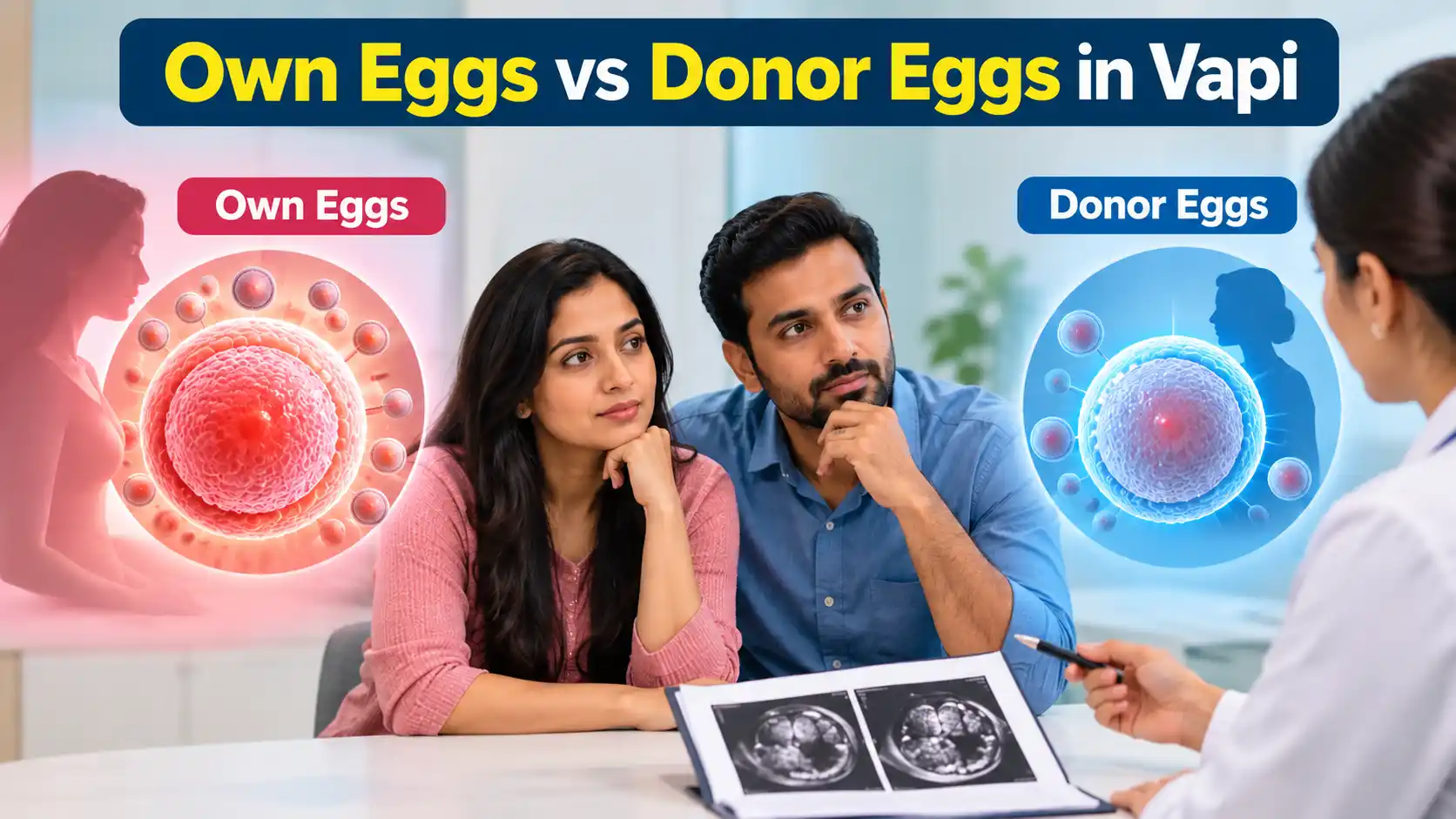
When discussing own eggs vs donor eggs in Vapi, fertility specialists look at the full picture. Your ovarian reserve, AMH, egg quality, previous IVF response, embryo development, uterine health, sperm factors, and personal priorities can all shape the treatment plan.
That matters because two women of the same age can have very different fertility profiles.
One may still produce usable eggs and embryos with IVF. Another may have had several cycles with very few eggs or repeated poor embryo development. Their next steps may be quite different.
Key Takeaways
- Success with donor eggs stays close to 50 percent per transfer and barely changes with the mother’s age, while success with a woman’s own eggs falls below 5 percent after 43.
- NHS IVF data shows live birth rates with a woman’s own eggs drop from about 32 percent for women under 35 to roughly 5 percent after 43.
- AMH and ovarian reserve measure how many eggs you may grow in a cycle, not whether those eggs can make a baby. A low AMH alone never forces the donor route.
- Repeated IVF failure with poor embryo quality is a stronger signal than age on paper.
- The decision between own eggs vs donor eggs in Vapi is both medical and emotional, so both partners should sit together for it.
Own Eggs vs Donor Eggs in Vapi: What Actually Drives the Decision
Most couples assume the calendar decides everything. It does not. When I review a case, I weigh the same five things every time.
- Ovarian reserve, judged by AMH and antral follicle count
- Egg quality, seen in how embryos developed in past cycles
- Age, which shapes both reserve and quality
- IVF history, including response to stimulation and failed transfers
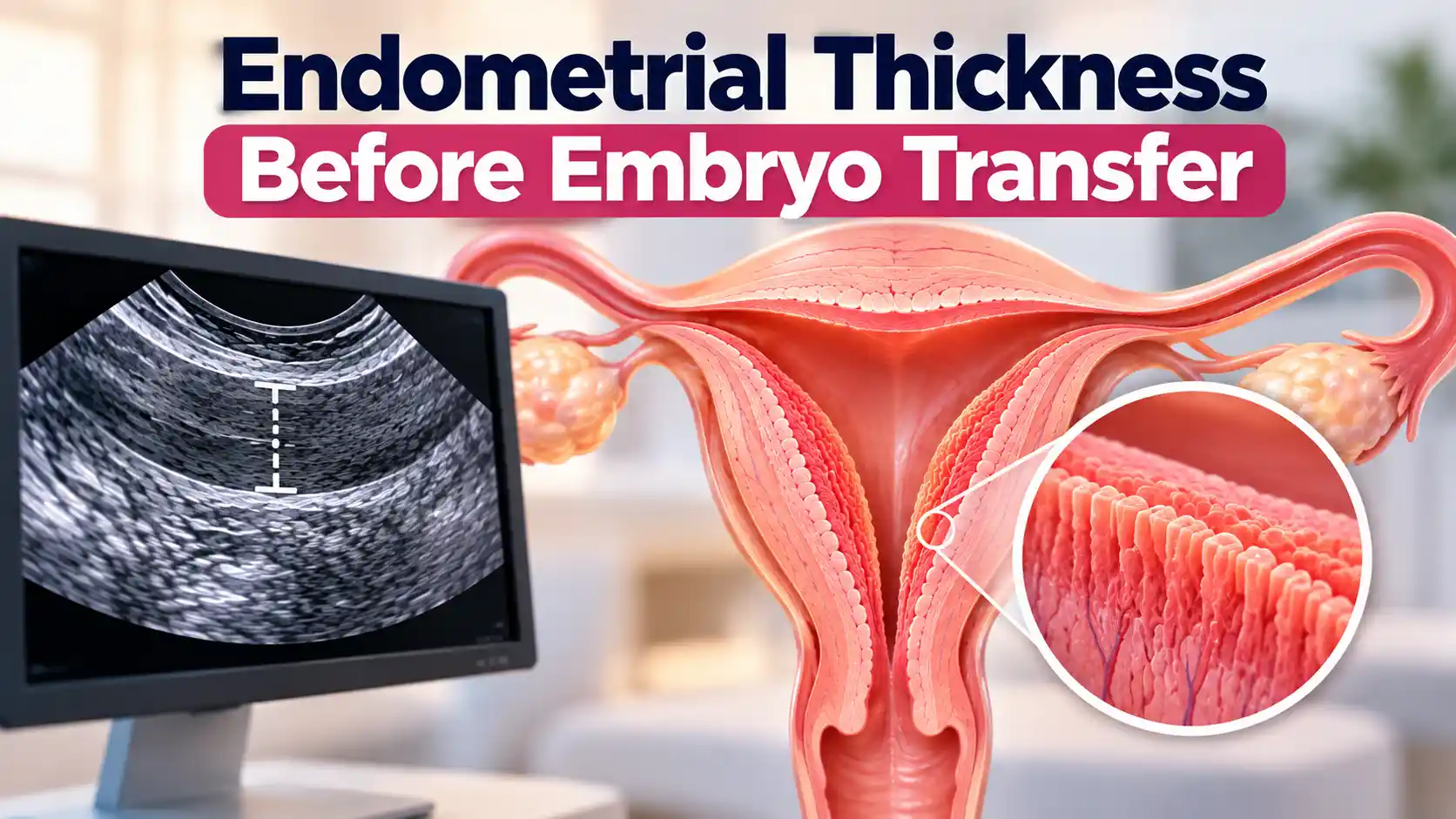
- Uterine health, because even a perfect embryo needs a receptive lining
“A number never decides alone. I look at the full picture: the AMH level, how the ovaries responded, the embryos we actually got, and the couple’s history. Two women with the same age and the same AMH can need very different plans.” Dr. Kaushal Patel
What the Success Numbers Say
Numbers matter, but they need context. Two trusted sources give the clearest picture.
With your own eggs, outcomes follow your age closely. NHS data shows about a 32 percent live birth rate for women under 35, falling to around 11 percent between 40 and 42, and roughly 5 percent after 43. With donor eggs, the pattern changes completely. CDC data shows live birth rates near 50 percent per transfer, and that rate stays steady almost regardless of the recipient’s age, because the donor’s age drives egg quality.
“Donor eggs do not guarantee a baby, but they reset the odds. We stop fighting egg quality and start managing the things we can control, like the uterine lining and the timing of the transfer.” Dr. Kaushal Patel
Why Age Is Only One Factor Doctors Weigh
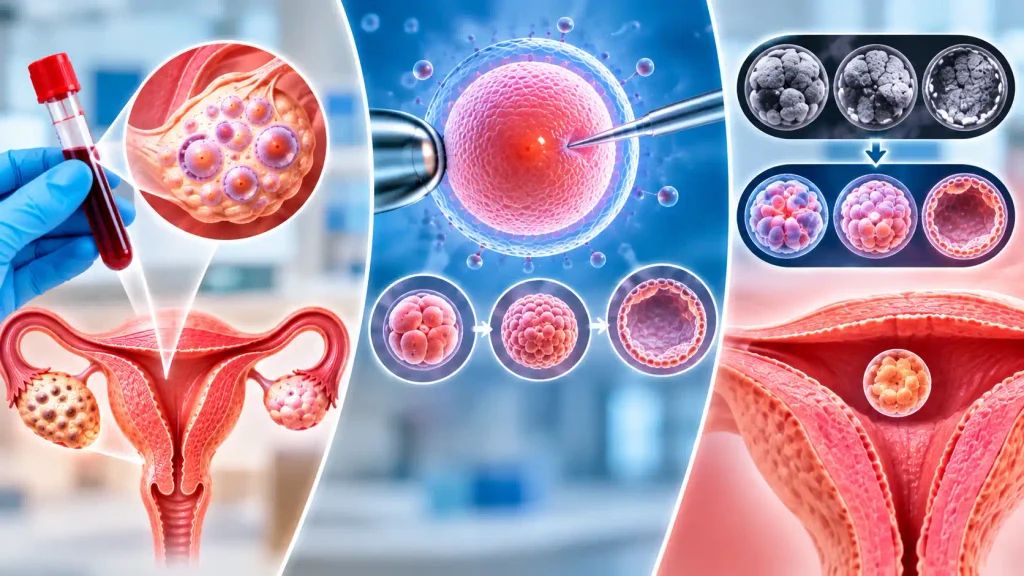
1. Ovarian Reserve and AMH
AMH is a simple AMH blood test that estimates your egg supply. A low value tells us your ovaries may respond less to stimulation. It does not tell us the eggs are useless, and it does not end the conversation. We explain AMH levels in depth in our low AMH study, so there the focus stays on decisions.
2. Egg Quality and Embryo Quality
Reserve is quantity. Quality is the real question. Embryo quality shows up in the lab as poor day-three growth, few blastocysts, or abnormal results on genetic testing. Quality often falls with age, but it can also be affected by stimulation protocols, so a past cycle is evidence, not a verdict. Read more in our egg quality guide.
3. Your IVF History
One failed cycle is common and rarely changes anything. Two or three failed cycles with consistently poor embryos point towards the eggs. If good-quality embryos failed to implant, we investigate the uterus and immune factors instead. Repeated IVF failure therefore has to be read, not just counted.
When Doctors Usually Recommend Staying With Your Own Eggs
- Your AMH and follicle count suggest a workable response
- Past cycles produced good blastocysts, even if transfers failed
- The main problem so far was the uterus, sperm, or timing
- You are under 38 with no history of poor embryo development
- You want to test your own-egg odds before considering alternatives
In these situations, changing the protocol, adding ICSI, or testing embryos with PGT-A often makes more sense than switching paths.
When Doctors Start Talking About Donor Eggs
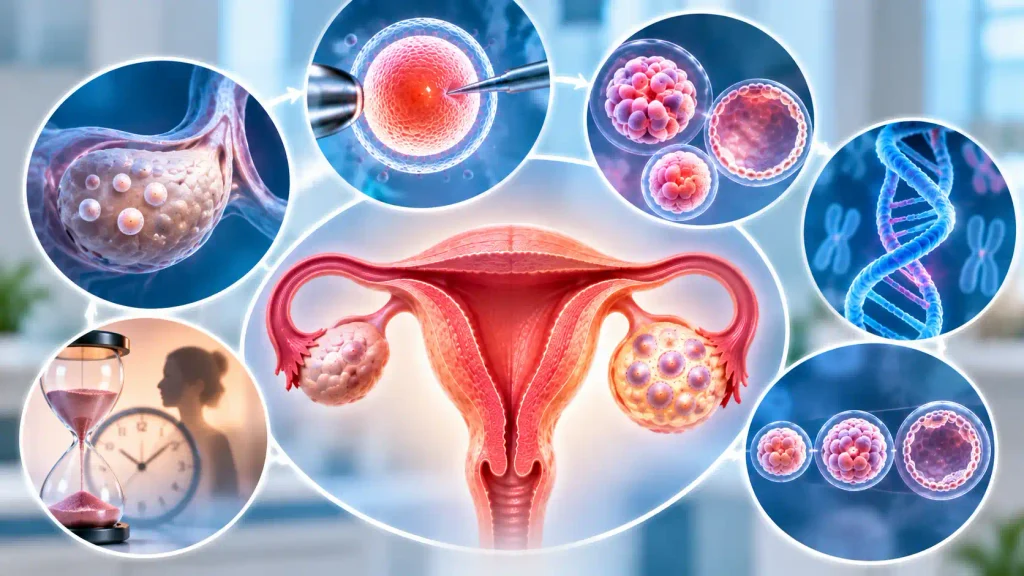
- Very low ovarian reserve that barely responds to stimulation
- Multiple cycles with few or poor-quality embryos, especially after 38
- Menopause or premature ovarian insufficiency
- Genetic conditions you do not want to pass on
- Three or more failed cycles where the eggs were the clear weak link
Even then, donor eggs enter as a discussion, never as an order. You get the numbers, the reasoning, and time to think.
Donor Egg vs Own Egg: Side-by-Side Comparison
The decision between own eggs vs donor eggs in Vapi becomes easier when you see both paths next to each other.
| Factor | IVF With Your Own Eggs | IVF With Donor Eggs |
|---|---|---|
| Success per transfer | Falls with age, from about 32 percent under 35 to under 5 percent after 43 | Stays close to 50 percent at nearly any recipient age |
| Effect of your age | Strong, because your eggs carry your age | Minimal, because donors are young |
| Embryo quality | Often lower after repeated failed cycles | Usually stronger, more blastocysts |
| Process | Standard stimulation of your ovaries | Donor’s cycle is synchronised with yours, then your lining is prepared |
| Genetic link | Baby shares your DNA | Baby shares your partner’s DNA, not yours |
| Emotional load | Familiar path, familiar hopes | Needs acceptance and counselling first |
| Best suited when | Reserve and quality are still fair | Very low reserve, poor quality, or repeated IVF failure |
Can You Still Try IVF With Your Own Eggs First?
Usually yes, if your reserve has not collapsed and your past embryos were reasonable. One well-planned cycle with an adjusted protocol often gives a fairer answer than an earlier, rushed attempt. What we avoid is cycling repeatedly on the same failing pattern without changing anything.
The Emotional Side of Choosing Donor Eggs
The medical choice takes weeks. The emotional choice takes longer, and that is normal.
- Grief for the genetic link you hoped for is real and passes with support
- Both partners must agree, because one reluctant partner creates conflict later
- Privacy within the family deserves an early, honest conversation
- Counselling is part of proper third-party reproduction care, not an optional extra
“Choosing donor eggs is not giving up. For many couples it is the first plan that finally matches their body’s reality, and that shift often brings relief, not grief.” Dr. Kaushal Patel
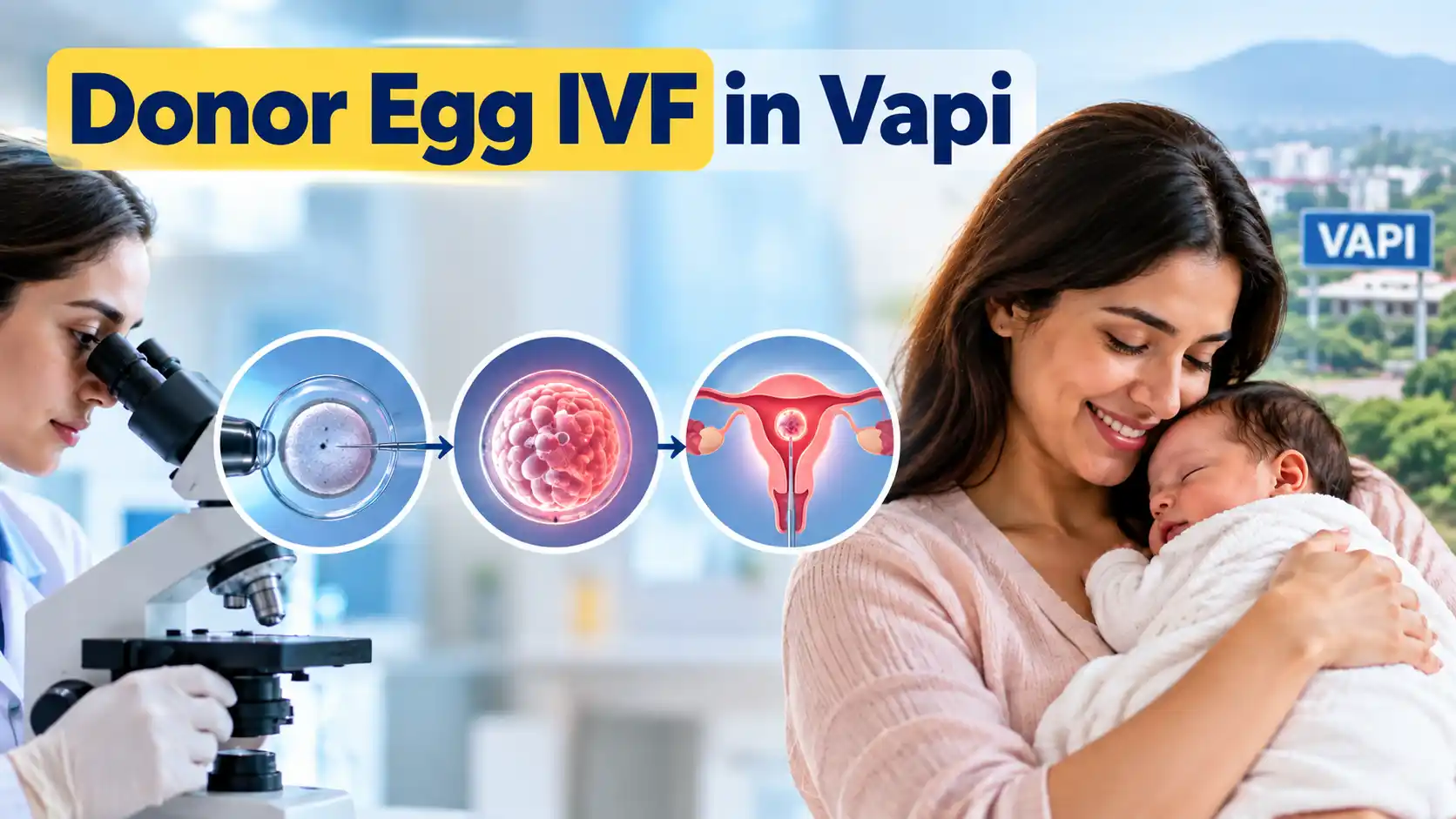
How Egg Donation IVF Works for Couples in Vapi
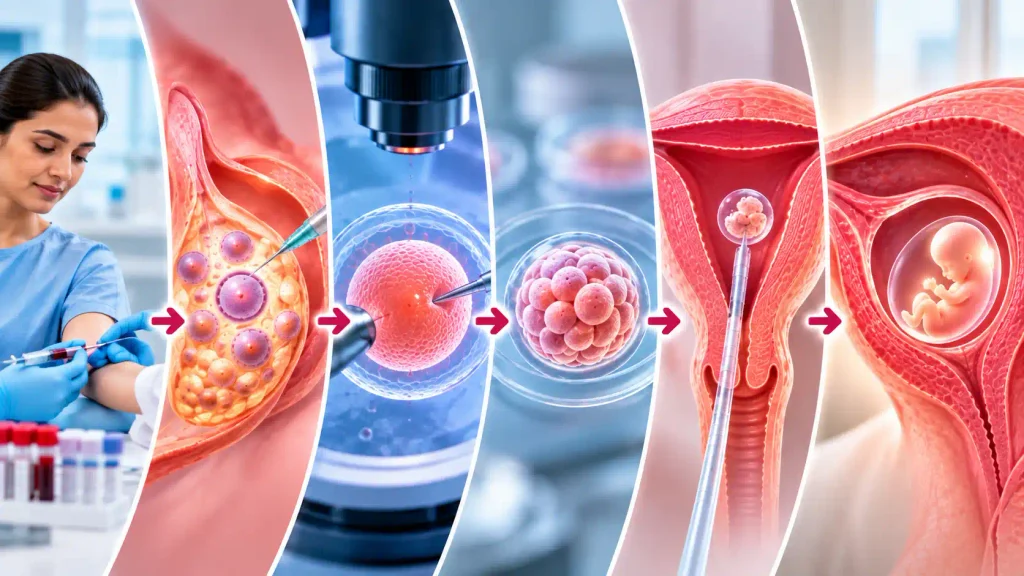
The full journey is explained on Third-Party ART, and the outline looks like this.
- Donor screening, including health, genetic, and infectious disease tests
- Synchronising the donor’s cycle with yours
- Fertilising donor eggs with your partner’s sperm in the lab
- Preparing your uterine lining with medicines
- Transferring one good embryo and supporting the early weeks
- Counselling and informed consent at every stage, as Indian ART rules require
Indian law keeps the process regulated and confidential, which protects both the couple and the donor.
About the Author: Dr. Kaushal Patel
Dr. Kaushal Patel is an IVF doctor in Vapi and a published author in a reputed international journal. He leads fertility care at Isha Women’s Hospital, where his team handles complex IVF, ICSI, and donor egg IVF cases for couples across South Gujarat. His consults are known for one habit: showing couples their own reports and honest numbers, then deciding together.
“Families do not need pressure, they need clarity. My job is to turn confusing reports into one clear, honest plan.” Dr. Kaushal Patel
Final Thoughts
Age matters in IVF, but it is a factor, not a verdict. Reserve, egg quality, embryo results, and IVF history carry equal weight when doctors weigh own eggs vs donor eggs in Vapi. If you are unsure which path fits your reports, discuss your ovarian reserve and IVF history with a fertility specialist in Vapi. A single honest consultation can save you months of guesswork.
Frequently Asked Questions
1. When do doctors recommend donor eggs instead of using your own eggs?
Usually when the ovarian reserve is very low, egg quality is consistently poor, or several IVF cycles with your own eggs have failed to produce good embryos. Age shapes the risk, but the pattern in your reports matters more than your date of birth.
2. How do doctors decide between own eggs and donor eggs in Vapi?
The decision rests on your test reports, such as AMH, antral follicle count, and hormone levels, along with how your ovaries responded in past cycles and the embryo quality achieved. A fertility specialist in Vapi combines these findings with your age and health history, then discusses both paths with you and your partner.
3. Does age determine whether IVF with your own eggs or donor eggs is recommended?
Age strongly influences the odds because both egg count and egg quality fall with time. Still, some women in their 40s with a good response can try their own eggs first, while some women in their early 30s with very low AMH may need donor eggs sooner.
4. How do AMH and ovarian reserve affect the decision between own eggs and donor eggs?
AMH predicts how many eggs you may grow in one cycle, not whether those eggs can create a baby. A low AMH may change doses or shorten the plan, and donor eggs enter the conversation only when the reserve is too low to respond at all.
5. Can you still try IVF with your own eggs if your egg quality is low?
Often yes, especially with an adjusted stimulation protocol, ICSI, or embryo testing such as PGT-A. If one or two well-planned cycles still produce poor embryos, most doctors then open the donor egg discussion.
6. After repeated IVF failure, when should you consider donor egg IVF?
After two or three failed cycles where embryos were consistently poor, or where good embryos failed to implant, doctors review the full case. If the eggs were the weak link, donor egg IVF often becomes the most practical next step.
7. Does poor embryo quality mean donor eggs may be a better option?
Poor embryo quality across more than one cycle frequently points to the eggs, particularly when sperm results are normal. Donor eggs can then lift embryo quality, though doctors also check the uterus before recommending the switch.
8. Is donor egg IVF more successful than IVF using your own eggs?
Yes, and the gap grows with age. Because donors are young and screened, live birth rates with donor eggs stay near 50 percent per transfer and hold steady across recipient ages, while own-egg rates fall sharply after 40.
9. Can IVF with donor eggs work if previous IVF cycles with your own eggs failed?
Yes. A failed cycle with your own eggs does not lower donor egg success, because the cycle essentially restarts with younger, healthier eggs. Doctors still confirm your uterine lining and general health before the transfer.
10. What tests do doctors consider before recommending egg donation IVF?
Typical tests include AMH, antral follicle count, FSH and estradiol, thyroid and prolactin levels, a semen analysis, and an ultrasound of the uterus. Together they show whether the egg side, the uterus, or both need attention.
11. Can I choose donor eggs before trying IVF with my own eggs?
Yes, and some couples choose this to save time, money, and emotional strain. A good doctor explains your own-egg odds first, so the choice stays informed rather than rushed.
12. What are the main differences between donor egg vs own egg IVF?
With your own eggs, stimulation targets your ovaries and outcomes follow your age. With donor eggs, the donor is stimulated, embryos come from younger eggs, and your cycle focuses on preparing the uterus for transfer.
13. What should couples consider emotionally and medically before choosing donor eggs?
Medically, review uterine health, donor screening standards, and the clinic’s counselling support. Emotionally, both partners should agree, decide what to share with family, and accept that grief and relief often arrive together.
14. How does the egg donation IVF process work for couples in Vapi?
The donor’s cycle and yours are synchronised, her eggs are fertilised with your partner’s sperm, and a healthy embryo is transferred into your prepared uterus. Screening, counselling, and legal consent are built into every stage under Indian ART regulations.
15. How can a fertility specialist in Vapi help decide whether to use own eggs or donor eggs?
A specialist reads your complete history, orders the right tests, and shows you honest numbers for both paths. You leave with a plan matched to your reports, your timeline, and your budget, not a generic answer.