
You’ve worked hard to get where you are. You have plans – career goals, personal milestones, a life you’re building on your own terms. But somewhere in the back of your mind, there’s a quiet question: What about having children later? If that thought has crossed your mind, you’re not alone. And the good news is that you don’t have to choose between your future and your fertility.
Egg freezing in Vapi is now a real, accessible option for women who want to preserve their reproductive choices without rushing into parenthood before they’re ready. At iSHA Hospital & IVF Centre, Vapi, we help women take that step with confidence – using advanced technology, experienced hands, and a process that’s more straightforward than most people expect.
What Is Egg Freezing and How Does It Actually Work?
Egg freezing, medically called oocyte cryopreservation, is the process of retrieving a woman’s eggs, freezing them at an ultra-low temperature, and storing them safely until she’s ready to use them. Think of it as putting your fertility on pause – the eggs remain biologically frozen at the age they were collected, regardless of how many years pass.
The procedure involves stimulating your ovaries with hormone injections to produce multiple eggs in one cycle. Those eggs are then retrieved through a minor, sedated procedure, examined in our lab, and flash-frozen using a technique called vitrification – a method that preserves the eggs in a glass-like state, completely free from ice crystal damage. The eggs are then stored in liquid nitrogen at -196°C until you decide to use them.
When you’re ready to get pregnant, the eggs are thawed, fertilized using ICSI (a process where a single sperm is injected directly into the egg), and the resulting embryos are transferred to your uterus through an IVF cycle. The whole system is designed to give your future self the best possible chance.
Why More Women in Vapi and Gujarat Are Choosing to Freeze Their Eggs
There was a time when egg freezing was seen as something only cancer patients did before chemotherapy. That’s changed significantly. Today, women from all walks of life are choosing fertility preservation in Vapi for deeply personal, practical reasons.
Some women are focused on their careers and aren’t ready to start a family at 28 or 30. Some haven’t found the right partner yet. Some have a family history of early menopause and want to act before their ovarian reserve starts declining. Others have been diagnosed with conditions like endometriosis or PCOS that could affect their fertility over time. And some women are simply being proactive – doing for their fertility what they’d do for their health in any other area: plan ahead.
In India, fertility preservation is no longer a niche conversation. It’s becoming part of how women think about their reproductive health long-term, especially in cities like Vapi, Surat, Daman, and across Gujarat where younger professionals are becoming more aware of their options.
Who Is a Good Candidate for Egg Freezing in Vapi?
Not every woman needs to freeze her eggs, but there are clear situations where it makes real sense. Dr. Kaushal Patel at iSHA Hospital typically recommends egg freezing for women who fall into one or more of these categories:
- Women in their late 20s to mid-30s who plan to delay pregnancy and want to lock in better egg quality now
- Women about to undergo chemotherapy or radiation for cancer treatment – preserving eggs before gonadotoxic therapy is one of the most important things a young woman with cancer can do for her future
- Women with endometriosis, where the condition can progressively reduce ovarian reserve over time
- Women with a family history of premature ovarian failure or early menopause
- Women diagnosed with PCOS who want to preserve eggs while egg quality is still good
- Women who are not yet in a relationship but want the option of biological children in the future
- Women whose partners are unavailable on the day of egg retrieval during an IVF cycle – eggs can be frozen rather than wasted
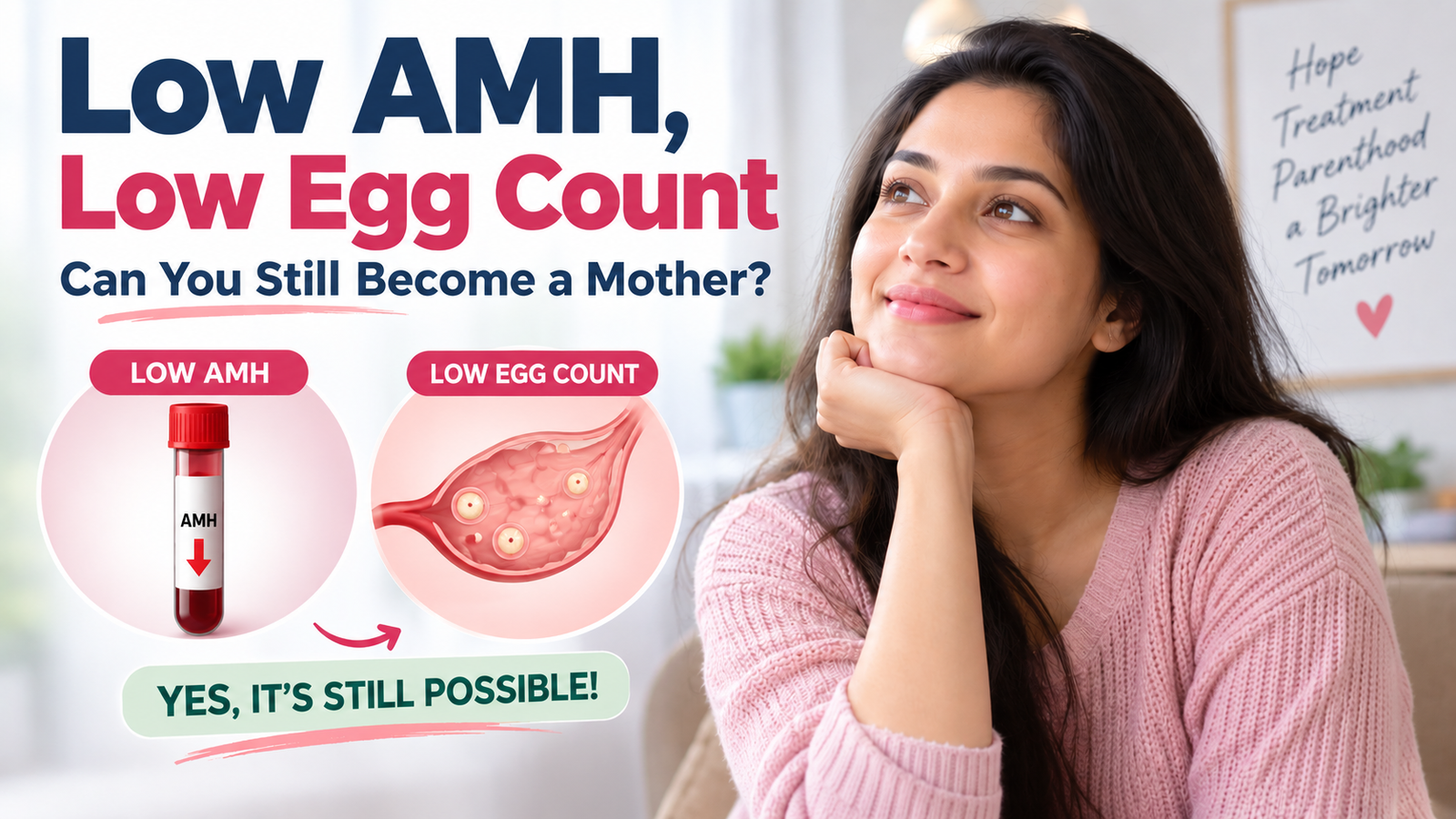
If you’re not sure whether egg freezing is right for your situation, the first step is a simple fertility assessment – an AMH blood test and ultrasound that tells us where your ovarian reserve currently stands. This gives Dr. Kaushal the information he needs to guide you honestly about whether now is a good time to freeze, and how many eggs you’re likely to retrieve.
The Best Age to Freeze Your Eggs – What the Science Says
This is the question we get most often. And the honest answer is: sooner is better.
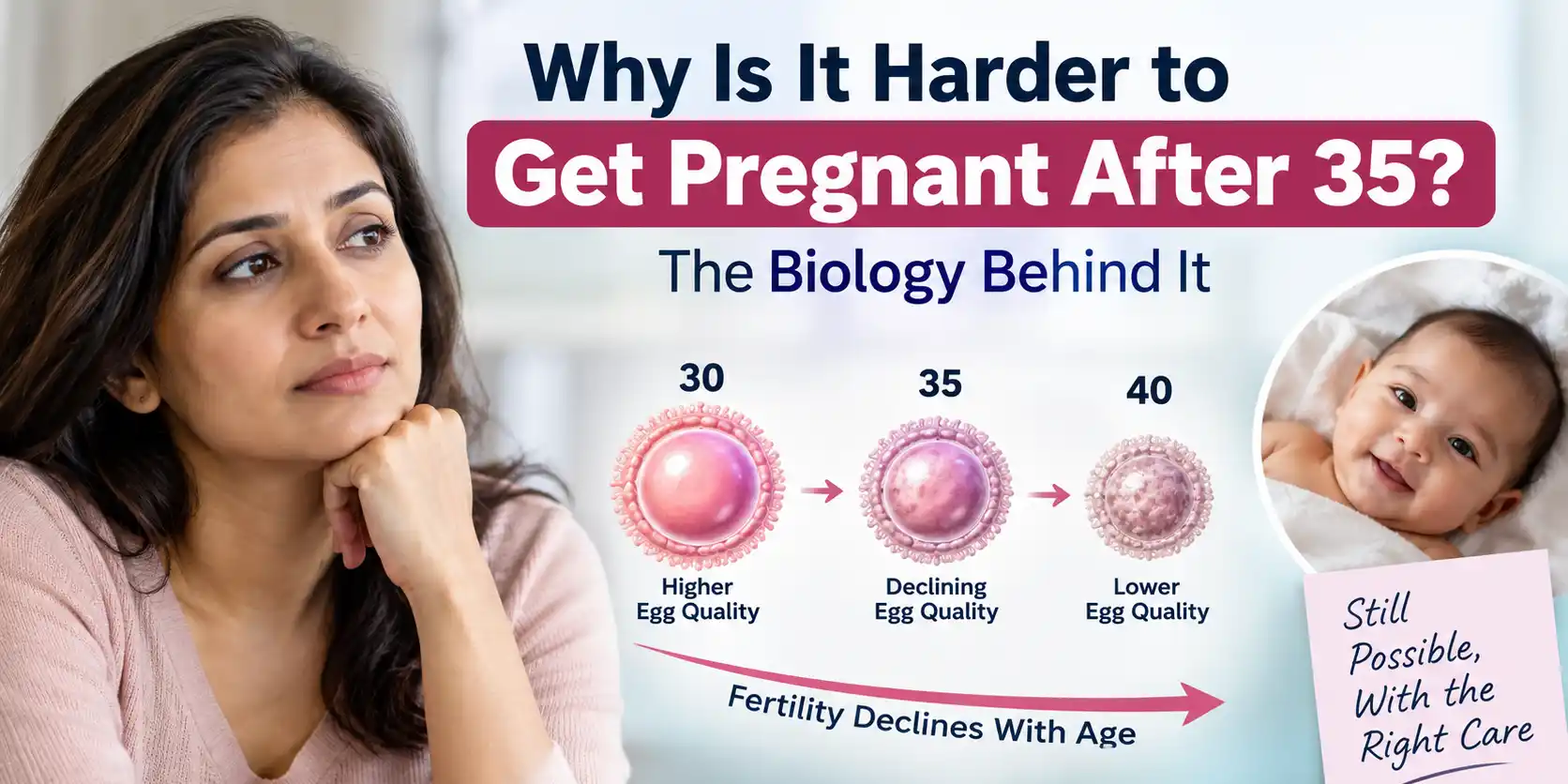
A woman’s egg count and quality both decline with age, with the drop accelerating after 35. Eggs retrieved in your late 20s or early 30s tend to have fewer chromosomal abnormalities and survive the thawing process at higher rates. This directly affects your chances of a successful pregnancy later.
According to research published on PubMed, early to mid-thirties is a medically reasonable window for planned oocyte cryopreservation, though younger women with diminished ovarian reserve may benefit from starting even earlier. Most fertility specialists recommend aiming to freeze 14-20 mature eggs for a reasonable chance of at least one live birth later.
That said, women in their late 30s can still benefit from egg freezing – it’s just important to go in with realistic expectations, and that’s exactly the kind of honest conversation Dr. Kaushal has with every patient at iSHA Hospital.
A general guide based on current evidence:
- Under 30: Excellent egg quality, best survival rates after thawing, highest success potential
- 30-35: Still a very good window – this is the most common age range for planned egg freezing in India
- 35-38: Possible, but you may need more than one cycle to collect enough eggs
- Above 38: Success rates decline sharply – earlier is always better
The Egg Freezing Process at iSHA Hospital, Vapi – Step by Step
We know that the idea of injections, procedures, and lab visits can feel overwhelming, especially if you’ve never done anything like this before. So here’s exactly what the process looks like at iSHA Hospital, in plain language:
Step 1 – Initial Consultation and Fertility Assessment
Your journey starts with a one-on-one consultation with Dr. Kaushal Patel. He’ll review your medical history, discuss your reasons for considering egg freezing, and recommend baseline tests – typically an AMH (Anti-Mullerian Hormone) level and an antral follicle count via ultrasound. These tell us how many eggs your ovaries currently have in reserve and what kind of response to expect during stimulation.
Step 2 – Ovarian Stimulation (10-12 Days)
Once you decide to proceed, you’ll begin hormone injections – usually self-administered at home – to encourage your ovaries to produce multiple mature eggs during one cycle instead of the single egg that normally develops. These injections run for 10-12 days. During this time, you’ll come in for regular monitoring appointments – blood tests and ultrasound scans – so we can track how your follicles are growing and adjust your medication if needed.
Most women find the injections much simpler than they expected. Mild bloating or abdominal heaviness is common during stimulation. We monitor carefully for Ovarian Hyperstimulation Syndrome (OHSS), a condition where the ovaries over-respond – it’s rare, but we take it seriously and adjust the protocol if we see early signs.
Step 3 – Egg Retrieval
When your follicles reach the right size, a trigger injection is given to complete egg maturation. About 36 hours later, we perform the egg retrieval – a 15-20 minute procedure done under sedation. A thin needle is guided vaginally under ultrasound to aspirate the fluid from each follicle. You won’t feel a thing during the procedure. Most women feel mild cramping afterward and are back on their feet the next day.
Step 4 – Vitrification (Flash Freezing)
The retrieved eggs are immediately handed over to our embryology lab. Our embryologists examine each egg under a microscope and select the mature ones for freezing. Using the vitrification technique, the eggs are rapidly cooled to -196°C using liquid nitrogen – so fast that no ice crystals form inside the cell. This is what makes modern egg freezing so much more successful than the older slow-freezing method that was used two decades ago.
According to data reviewed by the American Society for Reproductive Medicine, vitrified eggs have a post-thaw survival rate of 90-97%, with fertilization rates of 71-79% when ICSI is used – numbers that make egg freezing a genuinely reliable option for future family planning.
Step 5 – Long-Term Storage
Your frozen eggs are stored securely in labeled cryo-storage tanks at our facility. Eggs can be stored for up to 10 years under current Indian regulations – and the evidence shows that properly stored eggs don’t deteriorate in quality over that time.
Step 6 – When You’re Ready to Use Them
When you decide you want to get pregnant, we thaw the eggs, fertilize them with sperm using ICSI, and culture the resulting embryos for a few days. The best-quality embryo is then transferred to your uterus in a frozen embryo transfer cycle – a simple procedure done without anesthesia. A pregnancy test follows 12-14 days later.
Vitrification vs. Slow Freezing – Why the Technology at iSHA Matters
Not all egg freezing is created equal. The older slow-freezing method, which was used in the 1990s and early 2000s, had a significant problem: ice crystals would form inside the egg during cooling, damaging the delicate cell structure. Success rates were inconsistent, and many eggs didn’t survive the thaw.
Vitrification changed all of that. The process cools eggs so rapidly – at over 15,000°C per minute – that the cell moves directly into a glass-like solid state without any ice formation. The result is a dramatically higher egg survival rate and fertilization rates comparable to fresh eggs.
At iSHA Hospital, we use the vitrification method exclusively. Our embryology lab is equipped with the technology and trained personnel to handle oocyte cryopreservation with precision. This is not a procedure where experience and lab quality are minor factors – they directly affect how many of your eggs survive and eventually lead to a pregnancy.
Egg Freezing Success Rates – Realistic Expectations
We believe in giving every patient honest numbers rather than inflated promises. Here’s what the research and our clinical experience tell us:
- Post-thaw egg survival rate with vitrification: 90-97%
- Fertilization rate after ICSI: approximately 70-80%
- Chance of live birth from frozen eggs frozen before 35: roughly 30-60% per transfer, depending on how many eggs are available
- The number of eggs that matters: most specialists recommend freezing 15-20 mature eggs for a reasonable chance of at least one live birth
Age at the time of freezing is the single biggest factor. Eggs frozen at 28 perform very differently from eggs frozen at 38. That’s not a judgment – it’s biology. And it’s the main reason we encourage women to have a fertility conversation sooner rather than later, even if they’re not actively planning to freeze right now.
Every woman’s situation is different. During your consultation at iSHA Hospital, Dr. Kaushal will give you a personalized picture based on your AMH level, follicle count, and age – not generic numbers.
Is Egg Freezing Safe? Addressing the Concerns Women Have
Safety is something every woman asks about, and it’s a completely valid question. Here’s what the evidence says:
The procedure itself is minimally invasive. Egg retrieval is done under sedation and takes under 20 minutes. Serious complications are rare. The most common side effect is mild bloating or discomfort during the stimulation phase.
OHSS (Ovarian Hyperstimulation Syndrome) is the main risk of the stimulation process. In severe form, it happens in fewer than 2% of cycles, and at iSHA Hospital, we monitor every patient closely and adjust the protocol if early signs appear. The newer triggering agents used in modern protocols have further reduced this risk.
Babies born from frozen eggs show no increase in birth defects or chromosomal abnormalities compared to naturally conceived babies, according to multiple large studies. The children born from vitrified eggs are as healthy as those born from fresh IVF cycles.
Your own fertility is not affected by the egg retrieval process. The eggs collected would have been naturally lost during that cycle anyway – they are simply retrieved and preserved instead of going to waste.
If you have questions about the risks specific to your health situation – PCOS, thyroid issues, a history of ovarian surgery, or anything else – bring them to your consultation. Dr. Kaushal’s approach is to address every concern directly, not dismiss it.
Egg Freezing Cost in Vapi – What to Expect
The cost of egg freezing in Vapi at iSHA Hospital is transparent. There are no hidden charges added after you start the process. Your package typically includes:
- Initial consultation and fertility workup (AMH, ultrasound)
- Ovarian stimulation medications
- Monitoring visits during the stimulation phase
- Egg retrieval procedure, sedation, and lab fees
- Vitrification and first-year storage
Annual storage fees apply from the second year onward. When you later decide to use your eggs, the IVF/embryo transfer cycle is charged separately at that time.
We encourage you to call us or book a consultation to get an accurate quote specific to your situation – medication costs can vary based on your ovarian reserve and how your body responds to stimulation. What we promise is complete transparency, without the surprise billing that patients sometimes encounter at other centers.
EMI options and payment plans are available for patients who need them.
Social Egg Freezing in India – Changing How Women Plan Their Lives
There’s a broader shift happening across India right now. More women than ever are actively thinking about social egg freezing – that is, freezing eggs not for medical reasons, but as a life planning tool. Women who want to delay pregnancy without delaying their window of opportunity.
This isn’t a Western concept that doesn’t apply to Indian women. It’s a deeply practical decision that acknowledges a simple biological truth: female fertility has a biological timeline that doesn’t wait for the right circumstances. Egg freezing doesn’t extend that timeline indefinitely, but it does give you more control over it.
Women in Vapi, Daman, Silvassa, Surat, and across South Gujarat are increasingly asking about this at iSHA Hospital. Dr. Kaushal Patel welcomes these conversations without judgment. Whether you’re a 27-year-old who simply wants peace of mind, or a 34-year-old who’s recently been through a difficult breakup, the conversation about fertility preservation is always worth having.
You can also read more about the full range of fertility services at iSHA Hospital to understand the complete picture of what we offer at our Vapi centre.
Why Choose iSHA Hospital for Egg Freezing in Vapi?
There are other hospitals and clinics in Gujarat offering fertility services. So why do 3,000+ couples from across the region trust iSHA Hospital? A few things set us apart:
- Dr. Kaushal Patel’s experience: Trained in Germany, Dubai, and India, with over 12,000 successful fertility surgeries and 25,000+ consultations. A published researcher and laparoscopic surgeon who takes a deeply personalized approach to each patient’s care.
- Advanced embryology lab: Vitrification-only egg freezing with quality control at every step of the process. The lab environment directly affects how well eggs survive – this is not an area we compromise on.
- Honest conversations: We will tell you exactly what your ovarian reserve looks like, what your realistic chances are at your age, and how many cycles you might need. You will never leave an appointment at iSHA with unanswered questions or inflated promises.
- Central Vapi location: Located at 2nd floor, Raj Complex, near D-Mart, Chanod, Vapi – easily accessible from Vapi, Daman, Silvassa, and surrounding areas.
- Comprehensive fertility care: If you decide to move from egg freezing to IVF in the future, the entire process continues under one roof with the same team that knows your history.